Dungeons and raids in an MMORPG: bosses, loot and group play
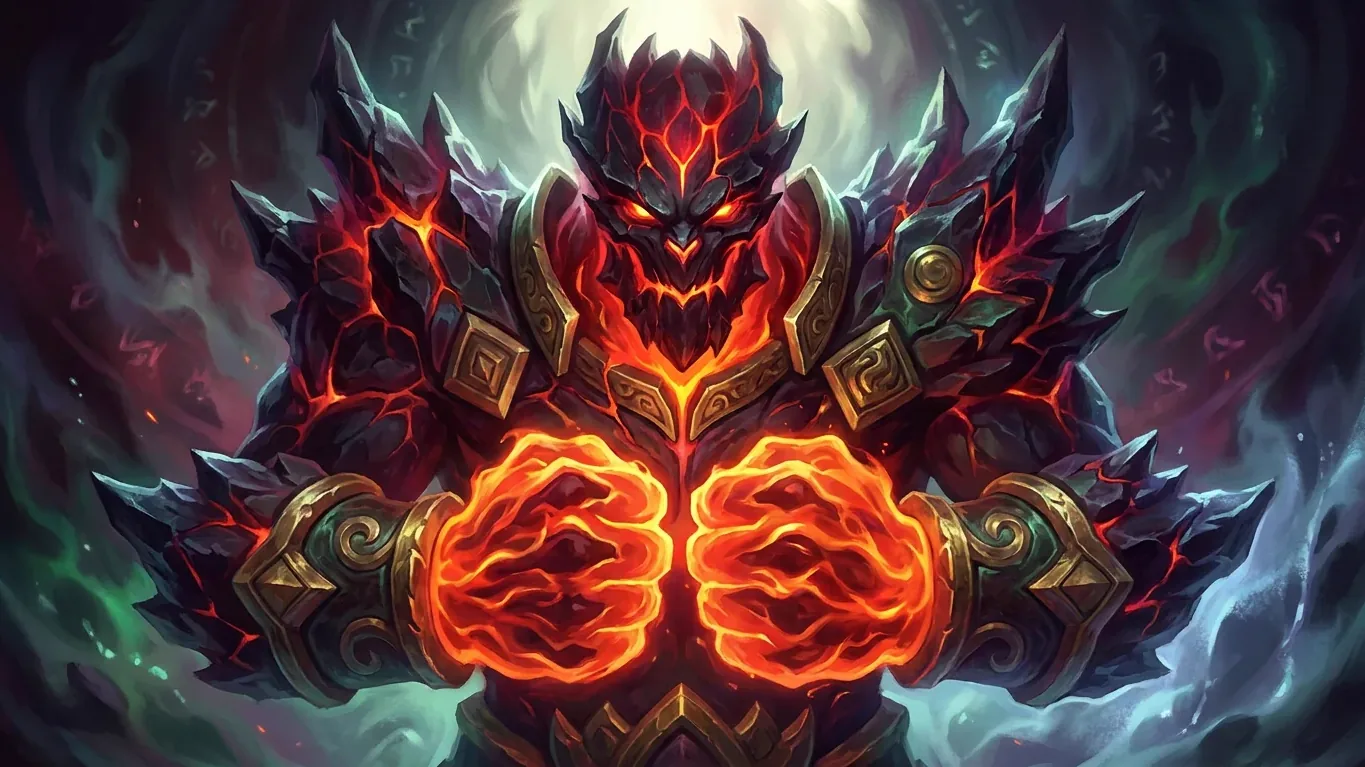
What dungeons and raids are in an MMORPG and how they work in Zarhold: 23 dungeons, 6 raids, 3 world bosses, group roles, boss rules and loot.
Dungeons and raids are the heart of PvE in any MMORPG: closed-off locations with enemies at every turn, bosses at the end and the best loot in the game as the reward. Let’s look at what dungeons, raids and world bosses are, how they work in Zarhold — a card MMORPG in your browser — and how to prepare for them.
What dungeons, raids and world bosses are
- A dungeon is a separate location for a small group. In Zarhold you go into a dungeon as a party of three: a tank, a healer and a damage dealer.
- A raid is a large dungeon with the toughest bosses. It takes five: a tank, a healer and three damage dealers.
- A world boss is a huge foe out in the open world (one of these battles pits you against four at once); it also calls for a party of five.
In total Zarhold has 23 dungeons, 6 raids and 3 world bosses — 32 locations and 166 bosses. The first dungeon opens at level 10, the last ones are built for levels 58–60, and raids and world bosses await level 60 heroes.
How a run goes
A dungeon has anywhere from two to sixteen bosses — usually about five. Before each boss stands a wave of one to three regular enemies. Every fight is the same card duel as in the open world, just on a shared board: your party against the enemies. There’s a single difficulty, with no separate harder modes: your party and your plays decide everything.
How to form a group
- The queue. Pick a dungeon and join the queue: your group will form, and allies will fill the free slots.
- Your own group. Gather your friends and go in together. The group leader leads the run, and the other heroes fight in the leader’s party.
- Solo. You can enter a dungeon alone, but the game warns you honestly that it’s almost impossible. Raids and world bosses are for groups of five only.
Group roles: who does what
- The tank takes the hits. A boss attacks whoever has dealt it the most damage, so the tank pulls it over with a taunt: it keeps the boss on the tank for two turns, after which it needs two turns to recharge.
- The healer keeps the party standing: healing cards and the Class Power can be aimed at an ally.
- Damage dealers deal damage — but wisely: an overeager one risks becoming the boss’s target.
Fallen heroes aren’t resurrected mid-fight: a hero is out until the end of the fight, and the fight is lost only when everyone has fallen. Lost? No big deal: you can retry the same stage with no penalty.
Which classes can fill which role is covered in “Which class to choose”.
Boss rules: what to prepare for
Every boss has its own moves, but nearly all of them are built from a handful of common rules.
- Enrage. If a fight drags on longer than it should, the enemy hits 18% harder with each of its turns — until the fight is over. Some bosses also enrage when they’re nearly finished, usually at 30% health.
- Phases. Every boss has two or three phases: usually at half health — or at two thirds and one third — it switches to a new set of moves.
- Adds. Over a quarter of bosses summon weak helpers — one to three at a time, and no more than six per fight.
- Hitting the whole party. Roughly one boss in six hits everyone at once — that’s when shields and healing save the day.
- Shields. Some bosses hide behind a shield that absorbs part of the damage. A second shield doesn’t stack with the first; it tops it up.
- Disruption. Discarding a card from your hand, freezing a card, stunning your hero or burning crystals. After a stun, though, you’re guaranteed two turns of your own before you can be stunned again.
- Weakening. Some bosses cut your damage by 20% for two turns, and a rare few halve your healing.
- Staying power. Self-healing, life steal and self-buffs of up to +50%.
The takeaway: a dungeon can’t be brute-forced. Keep an answer to a party-wide hit in your hand, don’t spend your heals too early and don’t drag the fight out — enrage punishes slowness.
Consumables: one of each kind per fight
In a single fight you can use one consumable of each kind: a bandage, a healing potion, a bomb and a buff — an elixir or a flask. Bandages and potions heal no more than half your health, and a meal before the run adds Health for three fights. Where to get consumables — see “MMORPG professions”.
Loot: what bosses drop
Loot in Zarhold drops on every run — even repeat ones. A dungeon boss drops two or three items for the group; raid and world bosses drop three to five. An item’s level equals the boss’s level.
Quality grows with the locations:
- bosses never drop grey items;
- from level 30, dungeon bosses drop only rare (blue) and epic (purple) items;
- from level 55, at least one epic item from every boss;
- raids and world bosses drop only epic items and better.
Regular enemies drop things too — usually green items, occasionally blue ones.
How a group splits the loot
Every item is rolled for. You can say you need an item only if it suits your class (accessories suit everyone) — and that claim wins. After that, a roll from 1 to 100 decides. On a run with allies you get 30 seconds to choose; in a group with friends the roll happens automatically, by each hero’s class. Experience and gold, on the other hand, aren’t split at all: everyone gets their full share.
Recipes and legendary items
The final bosses of some dungeons and raids, as well as world bosses, drop scrolls with rare recipes that unlock epic and legendary items for professions. Raid final bosses also guard special named legendary items, and some legendary rewards come from achievements — for example, a legendary card for clearing all 32 locations.
How often you can run them
You can run dungeons as often as you like, but experience and gold work like this:
- first run — the full reward;
- second run — half;
- third run and beyond — no experience or gold until some time has passed.
The window starts from your first clear: a day for dungeons and world bosses, a week for raids — separately for each hero and each location. Items still drop every time, while recipe scrolls only drop on runs that give a reward. And one more thing: if your hero has outgrown a dungeon, it gives less experience.
Clear records
The best clear time is recorded — from entry to the last boss, together with the party, their roles and the loot. The best runs are on the Records board, where you can see who cleared each dungeon the fastest.
How to prepare for your first dungeon
- Reach level 10 — that’s when the first dungeon opens.
- Pick a talent tree for the role you’ll play.
- Repair your gear at the Shop — broken items don’t work.
- Bring consumables: a bandage, a potion and a meal.
- Join the queue or call your friends — a dungeon is almost impossible solo.
- Watch the enrage: a drawn-out fight gets more dangerous every turn.
How to get to level 10 is covered in our “Beginner’s guide”.
Dungeon and raid FAQ
What level do I need for dungeons?
Level 10 — that’s when the first dungeon opens. Raids and world bosses come at level 60.
Can I clear a dungeon solo?
You can go in, but the game warns you that it’s almost impossible alone. Better to join the queue: allies will fill the free slots in your party.
What happens if the party loses?
Nothing terrible: you can retry the same stage with no penalty.
Does loot drop on repeat runs?
Yes, items drop on every run. Only experience and gold are limited: the full reward on the first run and half on the second.
The bottom line
Dungeons and raids are why people team up in an MMORPG: every boss has its own rules, and only coordinated play beats them. Zarhold adds card tactics on top — the order of your plays matters more than the numbers on your gear. Jump into the game, reach level 10 — your first dungeon is waiting.
Read next
Which class to choose: tank, healer or damage dealer in a card MMORPG
Which class to choose in the card MMORPG Zarhold: what tanks, healers and DPS do, how the 10 classes differ, their armour and Health, talents and races.
MMORPG professions: crafting, gathering and how to make gold
Professions in the card MMORPG Zarhold: 12 professions, skill-ups by recipe colour, gathering, fishing, enchanting, the auction house — and how to make gold.
MMORPG with friends in your browser: guilds, duels, trading and chat
How to play a browser MMORPG with friends: friends and chat, parties of up to five, guilds with a bank, friendly duels, trading and mail in Zarhold.