Beginner’s guide: how to start playing a card MMORPG
A Zarhold beginner’s guide: signing up, creating a hero, the tutorial, first quests, the shop, talents and your first dungeon — all about levels 1 to 10.

Your first login to an MMORPG feels like your first day in a new city: dozens of buttons, menus and unfamiliar words, and no idea where to start. This beginner’s guide walks you through Zarhold — a card MMORPG you play right in your browser — from signing up to level 10. By then your hero will have unlocked talents and the first dungeon, and from there you’ll find your own way.
Step 1. An account in a minute
There’s nothing to download: open the game in your browser, on a computer or on your phone. The fastest way is the “Play without signing up” button: your hero is created right away, and you can save it later — at level 5 the game will offer to link an email, and your hero will be with you on any device. You can also sign up right away with an email and a password (at least eight characters): a six-digit code will arrive by email, valid for 15 minutes. Or use the “Sign in with Google” button.
Your hero and all your progress live on the server, so you can play from any device — just sign in to the same account. We explain how games like this work in our article “Browser MMORPG with no download”.
Step 2. Create a hero: race, class and name
A hero is created on the “Summoning Circle” screen: race and class (they start out random), then gender and name — the 🎲 die suggests a random one. On a computer or a phone held sideways it is all one screen; in a narrow portrait window it goes step by step.
- Race. There are eleven, each belonging to one of three factions — you don’t pick a faction separately, it comes with the race. Your race gives a permanent bonus, such as a percentage to Health or Power, and two abilities: one against creatures and one against players.
- Class. There are ten: a tank, a healer, four damage classes and four hybrids. Every class is open to every race.
- Name — 2 to 24 characters, starting with a letter, and it has to be free: names are unique in the world.
The key thing at this step: you can’t change your class later, and your race is a long-term choice — you can change it later only with the paid Race Change service in the Shop. But one account has ten hero slots, so nothing stops you from trying another class. If you’re not sure where to start, read “Which class to choose” — it covers all ten classes by role.
Step 3. The tutorial: the Newcomer’s Path with Elder Mikhey
When your hero first appears on the map, Elder Mikhey meets them — the Newcomer’s Path tutorial. Mikhey speaks out loud, and a highlight leads you step by step to the button you need, even when it is tucked away in the “More” menu. Your first login takes a few minutes: one fight against a kobold (your cards, your first turn, “End turn”), your first new item and how to put it on, the first Path of the Hall reward, the world map and how to travel to a neighbouring land. At level 5 Mikhey comes back to explain the Path of the Hall, and at level 10 — talents, card combos, dungeons and settings. Walk the whole path and you earn the Mikhey’s Apprentice title.
If you have played before, press “I’ve played before” on the first step, and the level 5 and 10 stages can be put off with “Later”. Forgot something? “More” menu → “Tutorial” opens the Newcomer’s Path book with every stage and tip.
Step 4. Your first fight: how to play your cards
Combat in Zarhold is a card duel. You start with six cards in hand and can swap your opening cards if you don’t like the draw. At the start of each of your turns you draw one more — and from your 10th turn on, two (Heat of Battle: by then you have ten crystals, and one card isn't enough to spend them). Cards cost crystals: one on your first turn, then one more every turn, up to ten (eleven for a Grikx). Whatever you don’t spend is lost, so there’s no saving up.
The colour of the mana crystal in a card’s corner tells you what it does: red — damage, green — healing, gold — shield and defence, purple — buffs and control; a two-coloured gem means the card has two notable actions. The number on the crystal is its cost. A colour key is shown on the screen where you swap your starting cards, and the “⇅” button to the left of your hand changes the card order — for example, “by role”.
On top of your cards, your hero has a Class Power — a separate round button. It costs one crystal and can be used once per turn. Until level 10 every class has an attacking Class Power, so any class handles the first quests equally well.
Three tips for your first fights:
- Spend your crystals every turn. Leftovers burn, and an unplayed turn is lost damage or healing.
- Watch the enemy’s colour. Grey enemies — five or more levels below you — give no experience, and enemies marked with a skull, seven levels above you, can’t be fought yet.
- Hold your heals. A healing card is worth more once your opponent has already played their heaviest hit.
The full combat rules are in our article “Card MMORPGs: what they are”.
Step 5. Brightdale and your first quests
Every new hero starts in Brightdale, a zone for levels 1 to 4. Like every zone in Zarhold, it has twelve quests:
- eight combat quests — defeat certain enemies or collect trophies from them;
- one for the zone boss — it unlocks with your hero’s level, no need to clear the whole zone first;
- three peaceful ones — talk to someone, find something, deliver something.
You take and turn in quests in the Quest Log. It shows which quests are new, which are in progress and which are ready to turn in, and a narrator reads each quest aloud. A quest gives experience — almost a tenth of a level — a little money and Battle Pass points, and roughly every third quest, and always the boss, also gives an item. Each quest can be done once, so when you’ve finished a zone, move on to the next one.
Step 6. Gear, bags and the shop
A new hero gets a recruit’s starter set — green items for your class’s armour type, a weapon and an item for the ranged slot — plus a gift: a family heirloom ring. It grows with your hero and adds 4% to the experience you earn.
Your bag has 50 slots, plus five sockets for extra bags and a separate pouch for profession materials, consumables and scrolls — up to 500 stacks (100 slots free, more by expanding it). The merchant sells extra bags.
The merchant lives in the Shop — a button on the bottom bar (on a narrow screen it’s in the “More” menu). It has four sections: Repair, Bags, Provisions and Sell. Provisions include bandages, healing potions and food that adds Health before fights with creatures.
Keep repairs in mind from day one. When you lose a fight on the zone map, every item you’re wearing loses one point of durability. When durability hits zero, the item is marked broken and its stats stop working until it’s repaired. You don’t lose experience, money or levels when you lose — and you can attack the same enemies again straight away.
Step 7. What unlocks by level 10
Experience adds up faster than you’d think: level 2 takes 2,400 experience, and level 10 takes 29,200 in total. Early on, beating an enemy of your own level gives about 3% of a level, a pack gives more, and elites and bosses more still.
- New zones. A zone opens two levels before its level range begins. On the World Map every zone shows who it’s for, and a locked one tells you the level it opens at.
- Talents — from level 10. A path selection window appears: every class has three talent trees. You get one point per level, 51 by level 60, and resetting talents is free — so mistakes cost nothing.
- The first dungeon — also at level 10. Dungeons are for three: join the queue and allies will fill the free slots in your party. You can go in alone, but the game warns you honestly that it’s almost impossible solo. More in our article “Dungeons and raids”.
And here’s what’s open from level one:
- the arena, from 1v1 to 5v5, and battlegrounds — opponents are matched by level;
- professions — two crafts from the start (up to four with a separate service), while gathering and secondary professions take no slot (see “MMORPG professions”);
- the auction house, mail, guilds and the Battle Pass.
Step 8. The Battle Pass: rewards for what you already do
The Zarhold Battle Pass, the Path of the Hall, is permanent: it has 100 levels in five chapters and never resets. There’s one pass per account, and all your heroes earn points for it. Points come from:
- daily tasks — three worth 40 points each;
- weekly tasks — six worth 130;
- epic monthly tasks — three worth 1,000;
- every victory: the stronger and higher-level the enemy, the more points — from 1 for a regular enemy early on to 10 for a regular level-60 enemy and 21 for a level-60 boss;
- every quest you turn in — 6 points.
The free row has gold, potions and bandages, cosmetics, titles and the whole combat side of the Path: items and cards up to legendary ones, and a gryphon at level 100. The premium row has cosmetics, heirloom items, living stickers and a mount, but no combat power.
Ten tips for beginners
- Follow the Quest Log: it’s the smoothest road to level 10.
- Spend all your crystals every turn.
- Don’t waste time on grey enemies, and stay away from skulls.
- Visit the Shop: repair your gear and keep a couple of bandages in your bag.
- Learn professions early — gathering spots only show on the zone map once you know the profession.
- Open your Spellbook: your class’s whole future deck is in there.
- At level 10, pick a talent tree and don’t worry about getting it wrong — resets are free.
- Take your first dungeon through the queue rather than alone.
- Try the 1v1 arena — it’s open from level one.
- Find company in chat or on the forum: playing together is more fun — see “MMORPG with friends”.
Beginner FAQ
How much does it cost to start playing Zarhold?
Nothing: you can sign up and play in your browser for free. There’s nothing to download or install.
What happens if I lose a fight?
You keep your experience, money and levels. The items you’re wearing lose a point of durability each — you repair them at the Shop. You can attack again straight away.
Can I change my class later?
No: your class is chosen once. Your race can be changed, but only with the paid Race Change service in the Shop. And an account has ten hero slots — create a second hero if you want to try a different class.
When do talents and dungeons unlock?
Both at level 10. After that, talents give a point per level, and new dungeons open as your hero grows.
Do I have to do the tutorial?
No. The first step has an “I’ve played before” button, and you can replay any stage from the “More” menu → “Tutorial”.
The bottom line
Your first ten levels in Zarhold are an introduction: to your class’s cards, to Brightdale, to the Quest Log and the Shop. Take your time and don’t be afraid to experiment — talent resets are free, and losing costs only a little durability. Create a hero and make your first move in a card MMORPG — the rest will come naturally.
If Zarhold is your first MMORPG, also have a look at “MMORPG for beginners: how to pick your first” — general tips for your first days in the genre.
More on this: levelling to 60, races and factions: which race to pick, how to make gold.
Read next
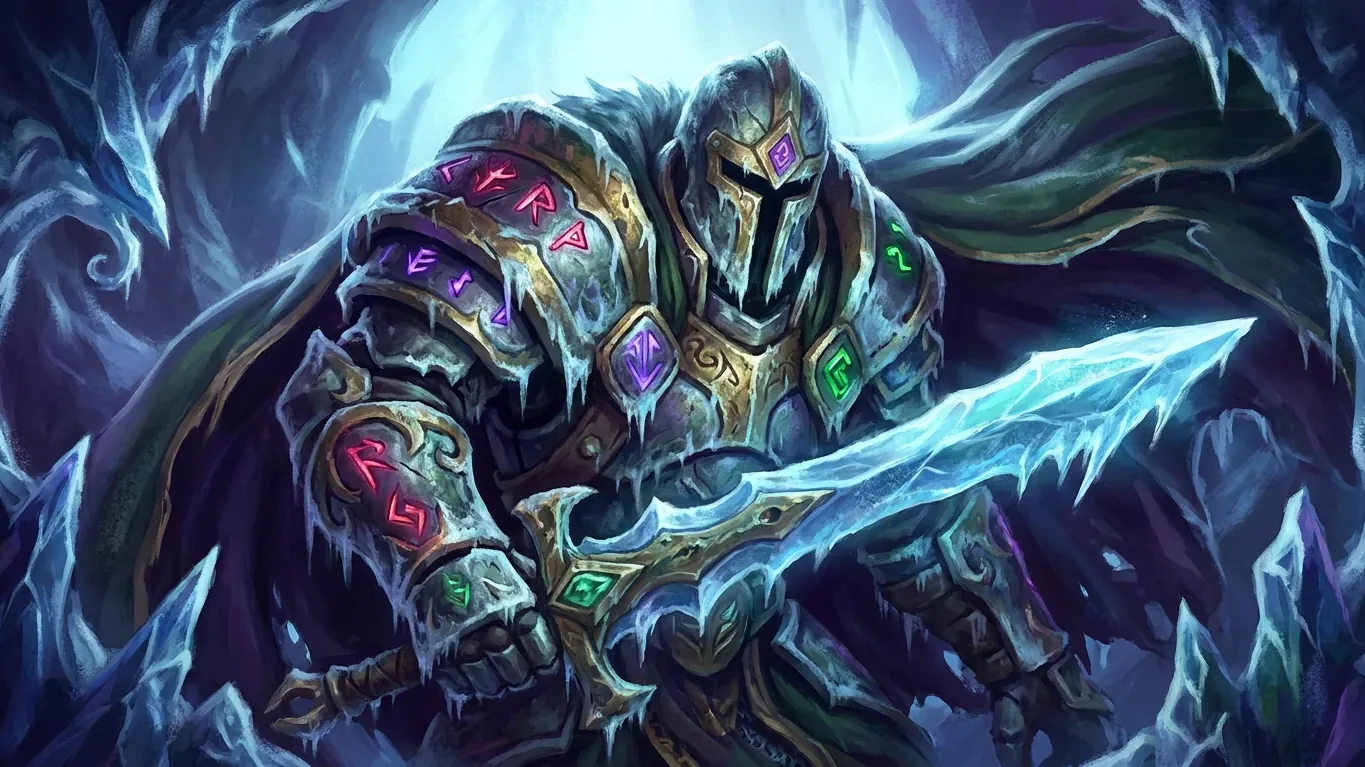
Which class to choose: tank, healer or damage dealer in a card MMORPG
Which class to choose in the card MMORPG Zarhold: what tanks, healers and DPS do, how the 10 classes differ, their armour and Health, talents and races.
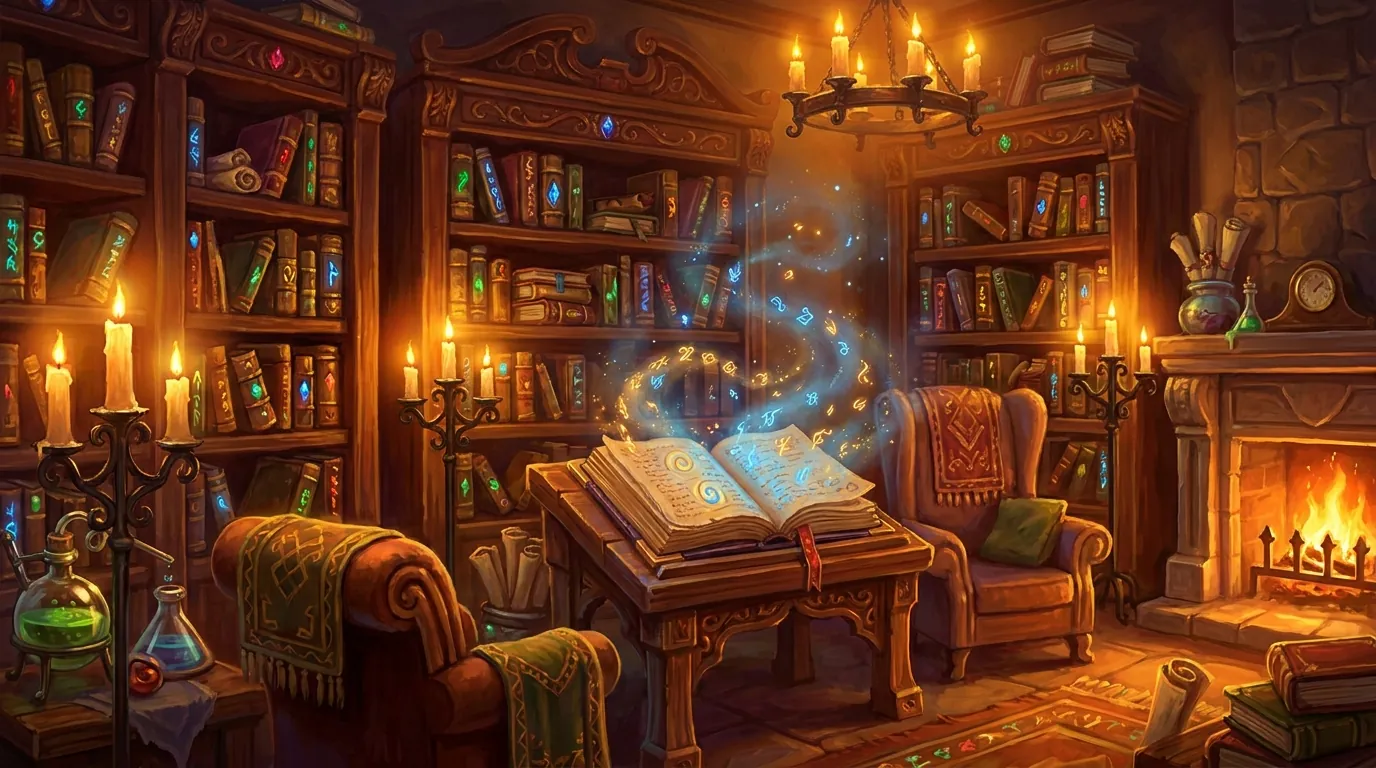
Card MMORPGs: what they are and why a deck beats a hotbar
What makes a card MMORPG different and why a deck beats a button rotation — explained through Zarhold: your hand, crystals, talents and ten classes.
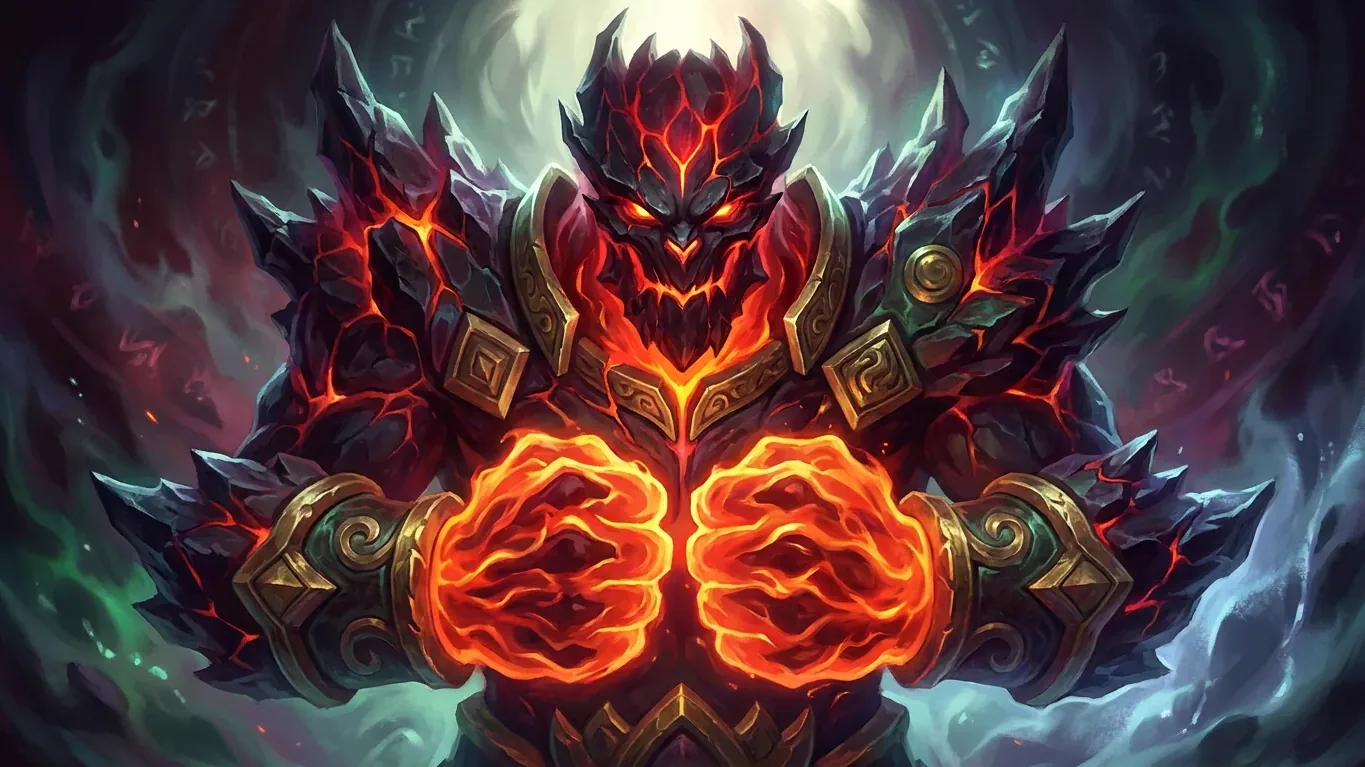
Dungeons and raids in an MMORPG: bosses, loot and group play
What dungeons and raids are in an MMORPG and how they work in Zarhold: 23 dungeons, 6 raids, 3 world bosses, group roles, boss rules and loot.