Card MMORPGs: what they are and why a deck beats a hotbar
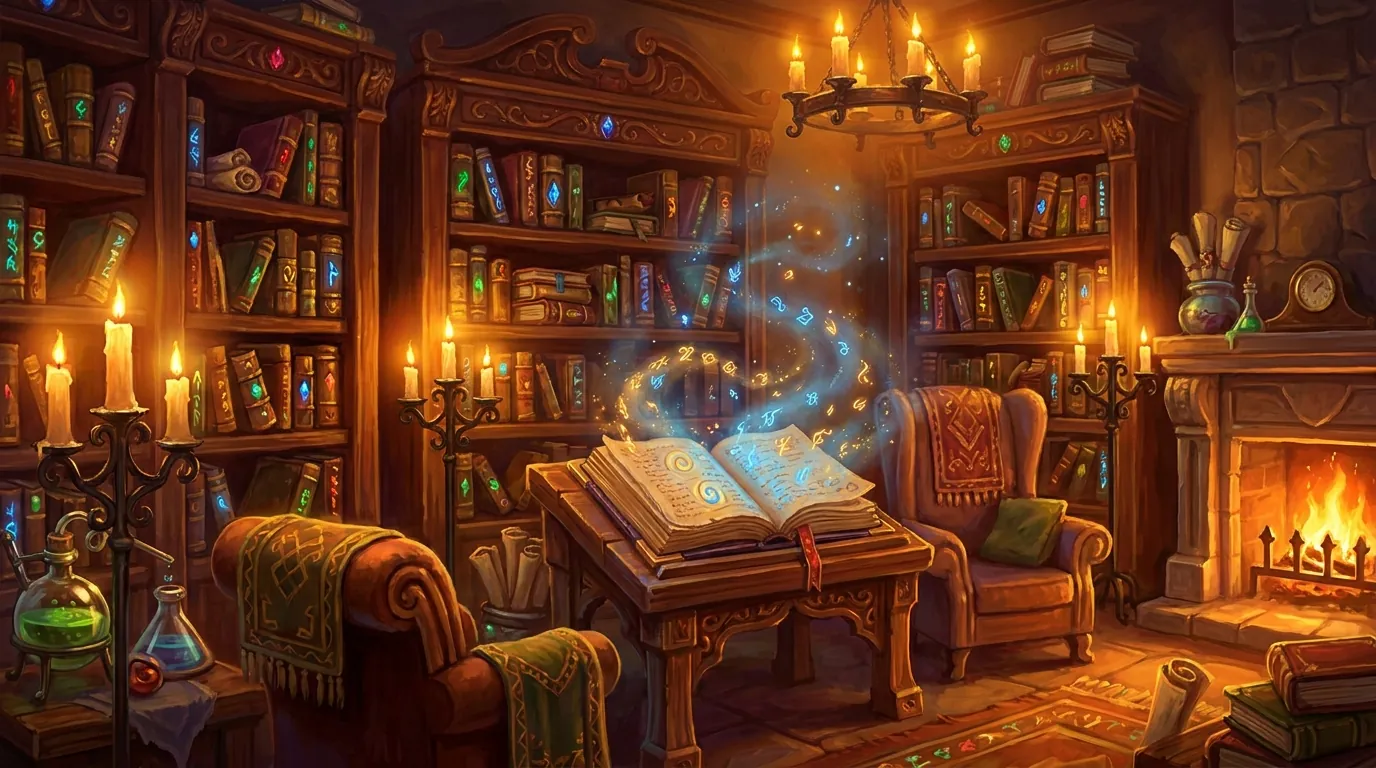
What makes a card MMORPG different and why a deck beats a button rotation — explained through Zarhold: your hand, crystals, talents and ten classes.
Say “MMORPG” and most people picture the same thing: a huge world, hundreds of players, dungeons with friends — and a bar of twenty-odd abilities you press in a memorised order. A card MMORPG keeps the first half of that picture intact and flips the second: instead of a hotbar, your hero has a deck, and every fight becomes a duel where each turn is a small puzzle.
Let’s look at how a card MMORPG works through Zarhold, a card MMO-RPG you play right in your browser.
What is a card MMORPG?
A card MMORPG is an online role-playing game with everything people love about the genre: a persistent hero, levels, gear, professions, guilds, dungeons, raids and battles against other players. Only one thing changes — how combat is decided. Your hero’s abilities become cards, and at any moment you hold only some of them in your hand.
Don’t confuse the genre with collectible card games. There you build a deck from cards you win or buy in packs, and its strength depends on your collection. In Zarhold the cards are your class abilities: the deck grows with your hero, not with your collection. More on how that works below.
How combat works
Hand, crystals and turns
A fight starts with six cards in your hand. If you don’t like the draw, you can swap your starting cards. After that, you draw one more card at the start of each of your turns.
Cards are paid for with crystals — a single resource shared by every class. On your first turn you have one crystal, then one more each turn until you reach ten. Your pool refills at the start of every turn and whatever you don’t spend is lost, so there’s no saving up. Whoever goes second gets a one-time “coin” — an extra crystal to even the odds.
You have one minute per turn. The fight ends when one side’s Health drops to zero.
Types of cards
In the Spellbook, cards are tagged by purpose: attack, heal, shield, buff, debuff and utility. On top of the cards, your hero has a Class Power — a separate round button. It costs one crystal, can be used once per turn and depends on the specialisation you picked in your talents. For tanks, for example, it’s Taunt.
Why it’s more interesting than buttons
In a classic MMORPG, combat quickly boils down to a rotation: learn the order of your abilities and repeat it fight after fight. A card MMORPG won’t let you do that. Every hand is different, there are never enough crystals for everything at once, and you have to make a call every single turn:
- play an expensive card now, or split your crystals across two cheap ones;
- heal right away, or hold the heal until the turn your opponent drops their heaviest hit;
- put up a shield in advance, or take the risk and strike first.
Your gear doesn’t play for you, either. Power adds damage, healing and shielding to your cards, Resilience reduces damage from other players, and Hardiness reduces damage from creatures. But which card to play, and when, is entirely up to you. That’s why in a card MMORPG the winner isn’t whoever has the bigger numbers — it’s whoever played their hand better.
Your deck grows with your hero
In Zarhold you don’t build a deck out of packs. Its core is your class cards: each of the ten classes has between twenty and twenty-four of them. You can see the whole deck in your Spellbook.
Talents are what change the deck. They unlock at level 10: one point per level, adding up to 51 by level 60, the cap. Every class has three talent trees, and until you take your own tree all the way to the top, the other two stay locked — that’s how a hero grows into a clear role. Some talents add new cards to your deck, others change how the old ones work. From level 20 you can keep two specialisations and switch between them, and resetting your talents is always free, so experimenting costs you nothing.
Ten classes, ten different decks
Zarhold has ten classes, each with its own fighting style:
- Barbarian — a tank who soaks up hits and shields allies;
- Priest — a healer;
- Ranger, Rogue, Mage and Warlock — damage dealers, each with their own way of dishing it out;
- Lightbringer, Revenant, Stormbringer and Druid — hybrids who can fill more than one role.
A detailed look at all ten classes, their roles and armour is in “Which class to choose”.
On top of your class comes your race. There are eleven of them across three factions — the Order of the Silver Dawn, the Tempest Tribe and the Untamed — and any race can be combined with any class. Your race gives a permanent bonus (usually a percentage to Health or Power) and two abilities: one against creatures and one against players. In a fight you only see the one that fits your opponent.
To see how other heroes are geared, open the Armory: the equipment, stats and professions of any hero are right there.
Where your deck comes in
The same card duel runs through all of Zarhold. You use it to complete quests in the open world, to delve into dungeons in a group of three, and to take on raids and world bosses in a group of five. Bosses play by their own rules: one halves your healing, another hits everyone at once, and if a fight drags on, the boss becomes enraged and hits harder with every extra turn. Each one makes you work out the right order of plays and decide which cards to save. The best runs are on the Records board, and there’s a full breakdown of PvE in “Dungeons and raids”.
Then there’s the arena, from 1v1 to 5v5, and the battlegrounds, where your deck meets the decks of other heroes. You can see who’s on top in the Ratings, and there’s a full breakdown of PvP in our article “PvP in a card game”.
A fair fight
Combat in Zarhold is deterministic: with the same starting state and the same moves, a fight always ends the same way. That lets the server replay a fight from its move log and check the result — and in the team arena and on battlegrounds, it’s the server’s result that counts. There’s still an element of chance in a card game — the order in which your cards arrive — but the outcome is decided by your plays.
Card MMORPG FAQ
Can I build my own deck?
Not the way you would in a collectible card game. Your deck is your class cards plus the cards of the talents you’ve learned; you don’t add or remove cards by hand. Talents and your specialisation are what tune it: pick a different tree and the same deck plays differently.
Is a card MMORPG for people who have never played card games?
Yes. There aren’t many rules, and the game opens with a tutorial. Your first quests in the open world are a relaxed way to learn how crystals work and which of your class cards hit hardest.
What matters more — gear or skill?
Gear gives you numbers: Power strengthens your cards, Resilience and Hardiness cut incoming damage. But fights are won by how you play — the same hand brings different results in different hands.
Can I play on my phone?
Yes. Zarhold runs in your phone’s browser, in landscape, and you can also install it on your home screen like an app.
Where to start
The rules of card combat fit into a couple of paragraphs — you’ve just read them — and the depth reveals itself gradually, with every new talent and every new boss. Pick a class whose spirit you like, finish your first quests and open your Spellbook: your hero’s whole future deck is in there. For a step-by-step path to level 10, see our beginner’s guide.
Zarhold runs in your browser with nothing to download — you can start playing this card MMORPG right now. And if you have questions about classes and tactics, ask them on the forum.
Read next
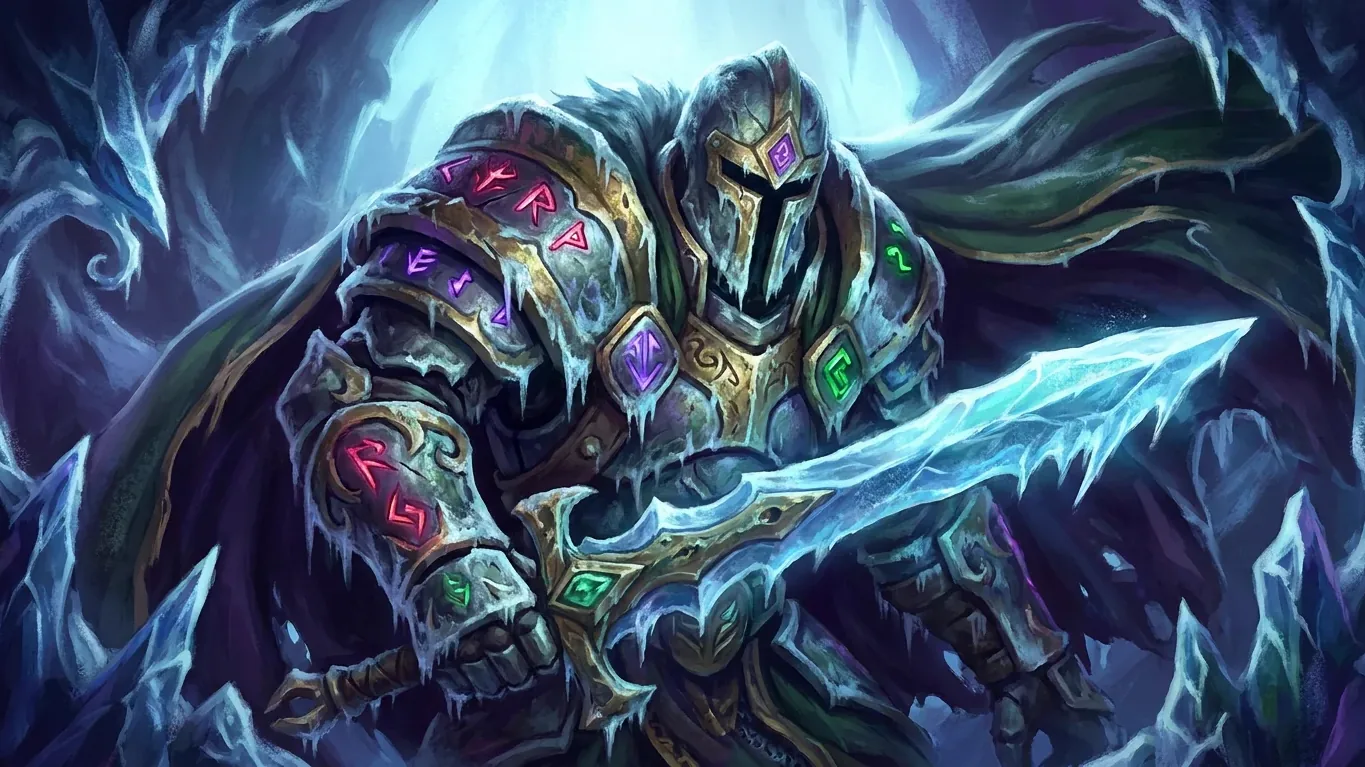
Which class to choose: tank, healer or damage dealer in a card MMORPG
Which class to choose in the card MMORPG Zarhold: what tanks, healers and DPS do, how the 10 classes differ, their armour and Health, talents and races.
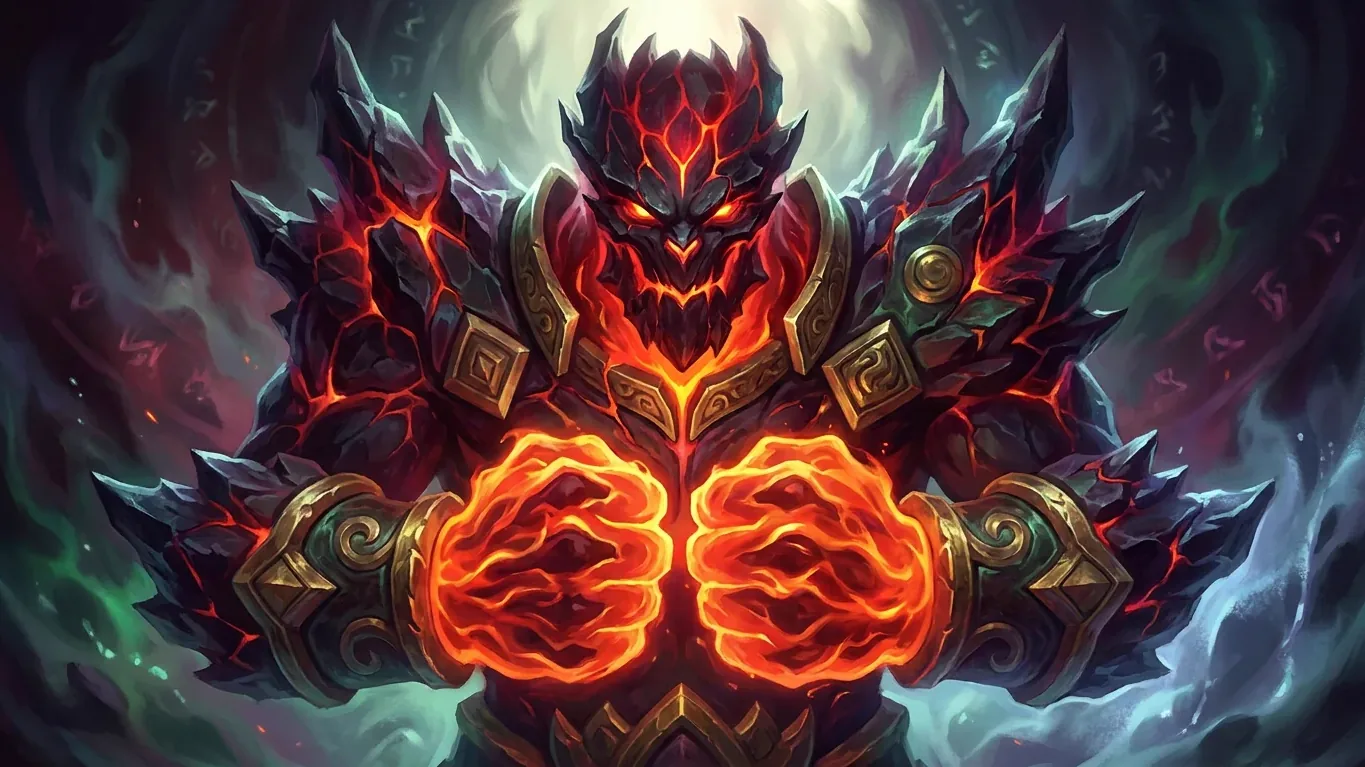
Dungeons and raids in an MMORPG: bosses, loot and group play
What dungeons and raids are in an MMORPG and how they work in Zarhold: 23 dungeons, 6 raids, 3 world bosses, group roles, boss rules and loot.
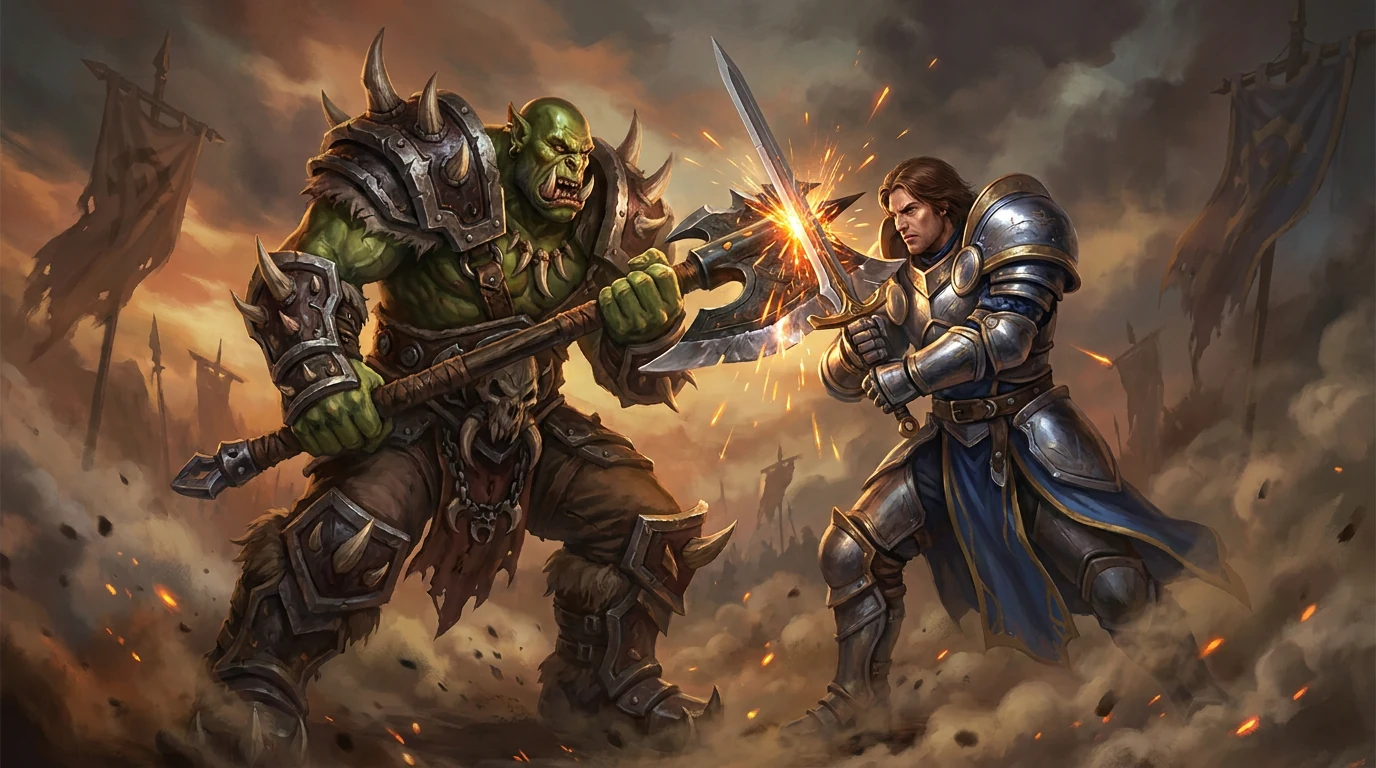
PvP in a card game: a 1v1 to 5v5 arena and battlegrounds
How PvP works in the card MMORPG Zarhold: 1v1, 2v2, 3v3 and 5v5 arena, two battleground modes, rating, seasons, rewards and the Resilience stat.